Tag Archives: Read It Before You Eat It
A Food Label Wish List
|
Guessing the Guidelines
Every 5 years for the past 33 years, our government has released the Dietary Guidelines for Americans to lead us to better food choices for all ages. This year (better late than never) the 2010 Guidelines will be released on Monday, January 31st, leaving us just enough time to make some last minute changes to our Superbowl party menus.
Although we’re not exactly certain about all of the details of the report, I can fill you in on a few of my own assumptions regarding what our scientists and specialists hope will cross your plate.
But before we visit future goals, let’s take a walk down memory lane. In 1977 the US Senate Select Committee on Nutrition and Human Needs recommended Dietary Goals for the American people. Some of the highlights of that report suggested that our citizens should:
- Consume only as much energy as they expended to avoid overweight.
- Increase consumption of complex carbohydrates and “naturally occurring sugars”
- Reduce consumption of refined and processed sugars, total fat, saturated fat, cholesterol, and sodium.
- Increase consumption of fruits, vegetables, and whole grains
- Choose low-fat and non-fat dairy products instead of high-fat dairy products (except for young children).
Looks like no shockers on the above list and looks pretty close to what we’ll probably come across in present day recommendations. But times have changed. Today we face obesity statistics that were not even imagined in the 70’s. Past guidelines were written for healthy Americans where, for the first time, the 2010 guidelines address an unhealthy US population, with 72.3 percent of women and 64.1 percent of men considered overweight or obese. Although the government’s plan back in the day made sense, it didn’t seem to make it into households. Many of us still eat more than we should of foods that hurt more than help.
Here are a few of the recommendations you may hearing about on Monday:
- We’re going to see a big push for spending more time in the produce aisle and, eventually, spending les money in this department too. If half of our plate is to be filled with veggies, it shouldn’t cost half our salaries.
- Get ready to go nuts. Healthy fats are in vogue. Nuts, like almonds, monounsaturated fats like olive oil and avocado, and fats in fatty fish and flax will not be encouraged rather than feared.
- Although processed food manufacturers still have a long way to go…some have also come a long way. Perhaps after the release of the new Guidelines, they will come even further to make changes in their products to reduce sodium, sugar and harmful fats to keep their sales up and healthcare costs down. Get ready for more “better for you” foods – they don’t have to be perfect, but just better than what you’re eating now.
- Plant some proteins. Plant-based foods are going to go mainstream to hopefully shift from a “main dish” animal-based protein mentality to one that includes to plant protein as the main event. This means more veggies, tofu, beans, nuts, whole grains and lots of colorful creations.
- Sodium will be slashed. Rumor has it that the recommended daily sodium intake will be 1,500 mg/day, down from 2,300mg in the 2005 recommendations, which weren’t being followed. FYI, 1 teaspoon of salt has around 2,300 mg of sodium…so be sure to check labels to read it before you eat it. (Shameless plug — couldn’t resist that one!)
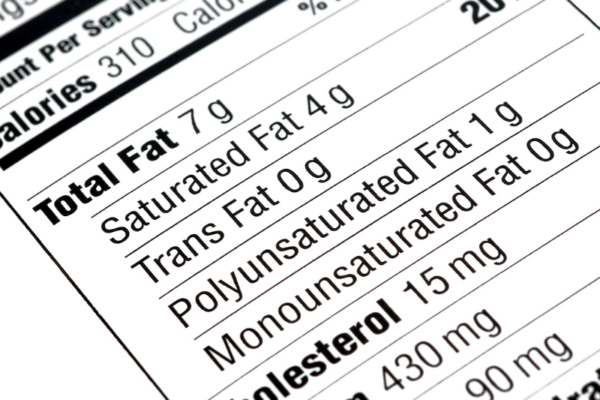
- And let’s finally ditch the trans fat and their sneaky labeling loopholes. This goes hand-in-hand with my hope for more truth in food labeling in general.
Although this isn’t all that will be suggested, rest assured that when it comes to the details…you’ll know when I know! I’m hoping the new 2010 Dietary Guidelines will describe specifics about what we should be striving to eat and how to go about making that happen…not just dietary goals, but realistic goals. Those are the guidelines I would covet.
What would you like to see in the new guidelines? Please send me your comments. Follow my blog here, follow me on twitter @eatsmartbd and follow good advice from credible sources to stay healthy.
How Tweet It Is
Years ago, if I told my friends that I was tweeting and blogging, they would have told me to go see a doctor. Today, if you are not tweeting and blogging, it could effect your health.
Yes, believe it or not, as reported on mashable.com by Alexander B. Howard (@digiphile), a report on chronic disease and the Internet by the Pew Internet and American Life Project and the California HealthCare Foundation showed that “people fighting such illnesses are using social media to find information and connect with others who suffer similar ailments.” Through the use of online communities, twitter and teleconferences, medical/healthcare electronic encyclopedia sites as well as government resources, people have been able to research, collect and share their heartaches and heartfelt help stories to connect and attempt to cure their ailments. But consumers need to be cautious because some although info is savvy and other sites are scary. You can’t believe everything you read, so be sure to research the writer as well as the written word.
Health wise, I myself have been stricken with bouts of Twitter-fever, the symptoms of which include staring at a computer screen, typing feverishly, and sweating over squeezing significant sound bites into 140 characters. The dangerous side effect is that it makes the hands on your clock spin around without you even noticing its rotations. I try to breeze by the tweets that say things like, “I had a strawberry for breakfast” or “It’s one of those days.” That info I can live without. But when I stumble upon a tweet that brings me to breaking news, a perfect dinner recipe, or the fastest way to sell my new book* (shameless plug), it makes my cybertime worth my time.
And how do you make those online hours well spent? In his brand spankin’ new book, Smarter Cheaper, Faster (Wiley), David Siteman Garland, founder of The Rise to the Top, advises us that you have to make sure you get your “content” onto social networking sites like Facebook, Twitter, and LinkedIn to “network one-on-one with people who share your passion and interests and form real relationships.” He describes how “people of all demographics like to share their thoughts, ideas, and great stuff from other sources” but it’s not just anything that gets the most attention: it is the content that’s “interesting, relevant, useful, and current” that will “rise to the top”. (No wonder he’s a marketing-maven!)
And it takes plenty of time and effort to be a social butterfly. Your ‘followers’ are counting on you to provide info on a regular basis while also wearing the hat of a good listener and advice giver. As Garland points out, “Consistency is a slow burn connecting to people one at a time” where “One person turns into two. Two turns into three and the list goes on.” That’s how it works…and it does work!
Whether you want to grow your business, grow a garden, or grow spiritually, you can find a wealth of resources on social networking. If you’re not signed onto one of the sites mentioned above, take the plunge. It could be exciting to uncover your own talents and explore what you have to offer others. I will be writing a series of stories interviewing social media movers and shakers…so let me know if you’d like to share your story. Please drop me a line and send your contact information to http://www.bonnietaubdix.com/contact-bonnie/ or better yet…now that I have your attention I hope you’ll follow me on Twitter @eatsmartbd.
Or if you prefer, just drop me a line and say hi. (It’s even okay if you want to tell me that you just ate a strawberry for breakfast…but next time you might want to try putting it on some oatmeal!)
A Safe and Sound Thanksgiving
It’s not just baseball players that hope to be safe at the plate. With the holiday season upon up, even those who don’t generally take to the stove will be cookin’ up a storm for families and friends. And with that great power…comes great responsibility.
Although I can’t always guarantee that every one of my dinner guests will rave about every dish I put on the table I can guarantee that my creations are safe to eat. Now that may sound like a ‘duh’ statement, but I have been to houses where I’ve seen some food handling practices that would have deserved a violation if the word ‘restaurant’ was on their door instead of a house number.
There are 76 million foodborne illnesses that sicken Americans each year. Some of these food-related issues originate at places we cannot control — at the farm, through transportation, at restaurants, and in supermarkets. But it’s the preventable problems that I’d like to address, which begin in our own kitchens. Here are some simple storage, handling and cooking suggestions to protect those you are thankful for:
- Keep hot food hot (temperatures between 160° to 212°F destroy most bacteria). You don’t have to buy a fancy device to tell whether your food is cooked properly but don’t just rely on your eye. You’ll know your bird is done when it reaches an internal temperature of 165°F.
- Keep cold food cold (40°F or below). Put a food thermometer inside your fridge all year round so you can tell that your food is being maintained at a proper temperature. It’s inexpensive and invaluable.
- Cook food thoroughly, following the food safety label found on packages. With my book, Read It Before You Eat It, you already know that I am a label nut. Most people don’t realize that many labels also contain specific cooking instructions. Turn the package over for these important tips.
- Keep raw food, like meat and poultry, separate from produce and cooked foods to prevent cross contamination, and keep work surfaces clean. The easiest way to remember this is to buy cutting boards of different colors – use the green one for veggies and the yellow one for meats and only let them touch in the dishwasher!
- Be sure to wash your hands with warm, soapy water before, during, and after handling food. Seriously – don’t pet the dog and then chop chicken. Have hand soap readily available so that this practice becomes second nature and teach your kids the importance of this everyday exercise.
Although it’s always important to take a close look at the foods you are eating, it’s essential to also pay attention to the steps taken before that food even enters your mouth. So the next time you go to a friend’s house and you notice them tying their shoe and then cutting the carrots, if you see something say something! It’s a good practice in and out of your home.